Decoration · DTG
DTG direct-to-garment
A digital print head lays water-based ink directly into the garment surface. Nothing is cut, transferred or glued, so there is no screen to burn and no setup charge per colour.
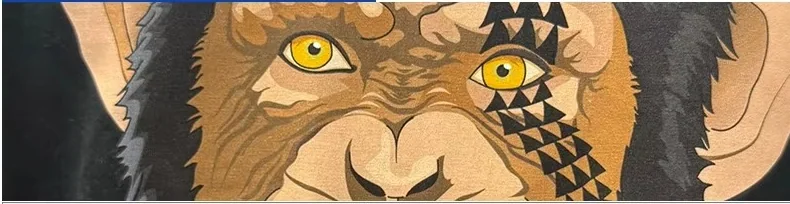
Cotton and cotton-rich garments in light and mid tones.
No minimum beyond your style MOQ — most economical up to roughly 25 pieces.
DTG versus DTF: DTG sits in the fabric and stays softer on cotton; DTF transfers sit on top and cope better with dark garments and blends.
Choosing between methods
DTG against the other options
A short verdict on each alternative, so you can sanity-check the choice before you commit.
| Alternative | When it is the better choice |
|---|---|
| Screen printing | Cheaper per piece once you pass roughly 100 pieces with few colours. |
| DTF transfer | Better on dark fabric and on polyester blends; a slightly firmer hand. |
| Embroidery | A raised, premium finish — better for logos than for large photographic artwork. |
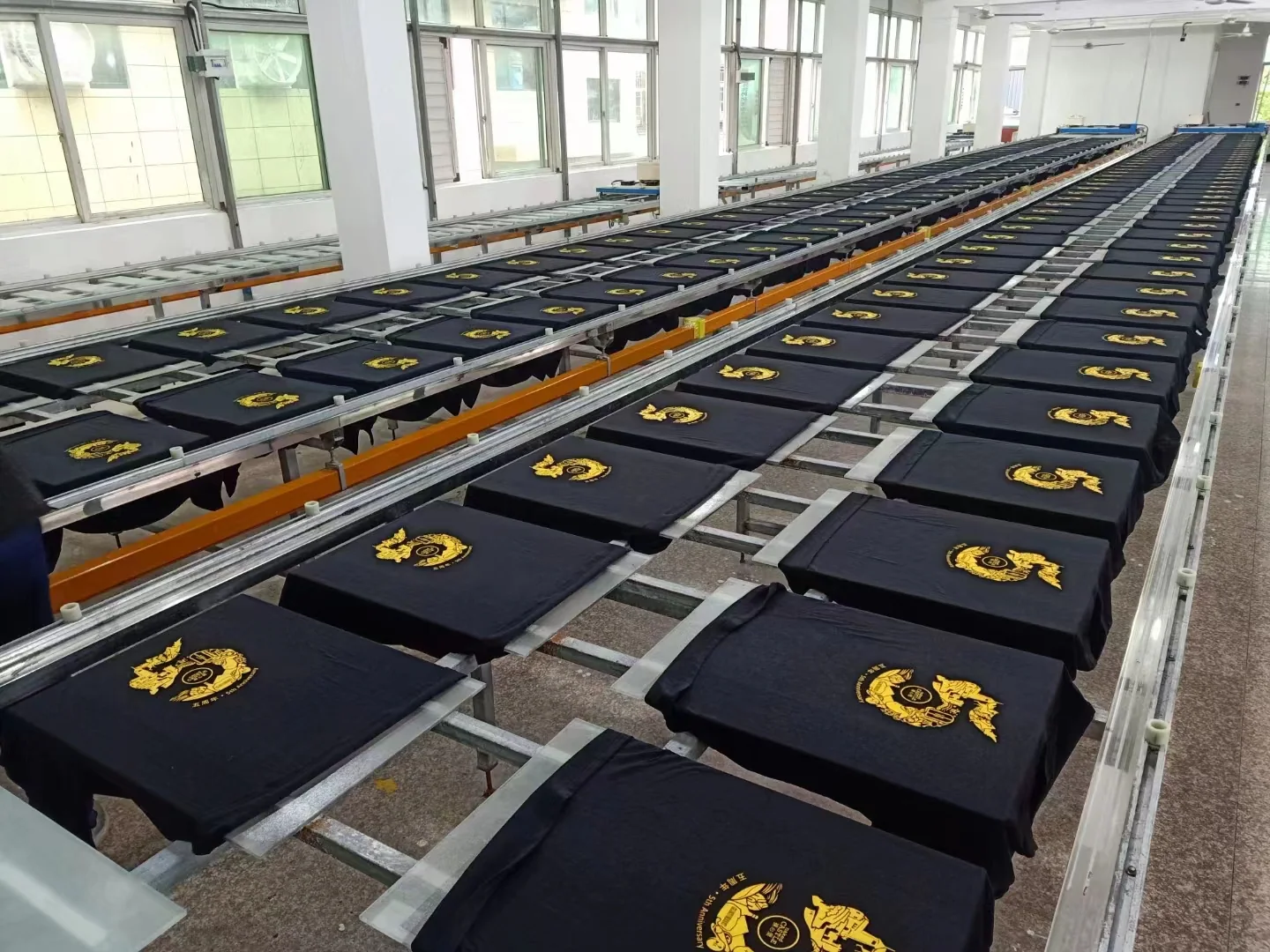
Durability
What we do to make it last
Wash and wear performance is a process setting, not a promise. These are the steps we control.
- Cured ink is tested against repeated domestic washing before a bulk run starts.
- Print position and cure temperature are recorded per order.
- Dark garments receive a pretreatment pass, which we verify on a test piece first.
Where this method is the right answer
- Short runs and sample orders where a screen setup cannot be justified
- Full-colour or photographic artwork with gradients
- Cotton and cotton-rich tees, hoodies and sweats
Where it does not work well
- Large dark fills on dark garments — DTG ink builds a heavier hand here
- High-stretch synthetic fabrics, where the print can crack as the fabric moves
- Programmes needing the lowest possible unit cost at high volume
Cost drivers
What moves the price
Knowing which variables matter lets you decide where to compromise without losing what the garment is for.
- 01Printed area and ink coverage
- 02Garment colour — dark shades need pretreatment
- 03Whether the artwork needs colour matching to Pantone references
- 04Quantity band, since setup is not a factor
Questions
About DTG
The questions that come up on almost every enquiry.
Other methods
Ready to price DTG on your garments?
Send the artwork, the garment and the quantity. We will confirm the pricing band, the position and the sampling route.
Or email jacknbhood@gmail.com with your requirement.