Decoration · DTF
DTF transfer printing
Artwork is printed onto a transfer film and then heat-pressed onto the garment. Because the ink layer is transferred rather than absorbed, it works across cotton, polyester and blends — including dark shades.
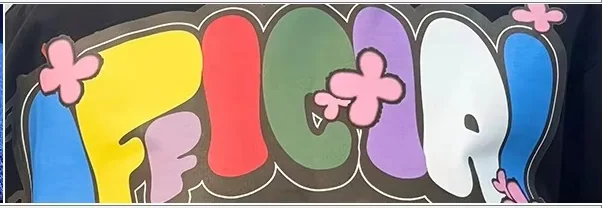
Dark garments, synthetic blends and mixed-material runs.
No minimum beyond your style MOQ — good value up to roughly 100 pieces per design.
DTF versus screen printing: DTF needs no screens, so design changes are free, but the unit cost stays flat instead of dropping with volume.
Choosing between methods
DTF against the other options
A short verdict on each alternative, so you can sanity-check the choice before you commit.
| Alternative | When it is the better choice |
|---|---|
| Screen printing | Becomes cheaper per piece at higher volume with few colours, and sits flatter. |
| DTG | Softer on light cotton, but weaker on polyester and dark synthetic blends. |
| Embroidery | Better for small text and logos where a raised finish is wanted. |
Durability
What we do to make it last
Wash and wear performance is a process setting, not a promise. These are the steps we control.
- Press temperature, pressure and dwell time are set per fabric and recorded.
- Wash testing on the production fabric before bulk.
- Edges are cut with a margin that resists lifting in wear.
Where this method is the right answer
- Dark garments where a light or full-colour print must read strongly
- Polyester, tri-blends and performance fabrics
- Runs with several designs where setup cost must stay at zero
Where it does not work well
- Buyers who want the softest possible hand feel on cotton
- Very large solid fills, where the transferred layer can feel noticeable
- Stretch fabrics without a stretch-capable transfer film
Cost drivers
What moves the price
Knowing which variables matter lets you decide where to compromise without losing what the garment is for.
- 01Transfer area rather than colour count
- 02Film type — standard or stretch
- 03Fabric composition, which determines press settings
- 04Quantity band
Questions
About DTF
The questions that come up on almost every enquiry.
Other methods
Ready to price DTF on your garments?
Send the artwork, the garment and the quantity. We will confirm the pricing band, the position and the sampling route.
Or email jacknbhood@gmail.com with your requirement.