Customization · ODM
Develop the garment, not just the artwork
ODM is for brands whose product is the fit, the fabric or the finish. It runs through gold, salesman and PP samples so nothing is decided at bulk.
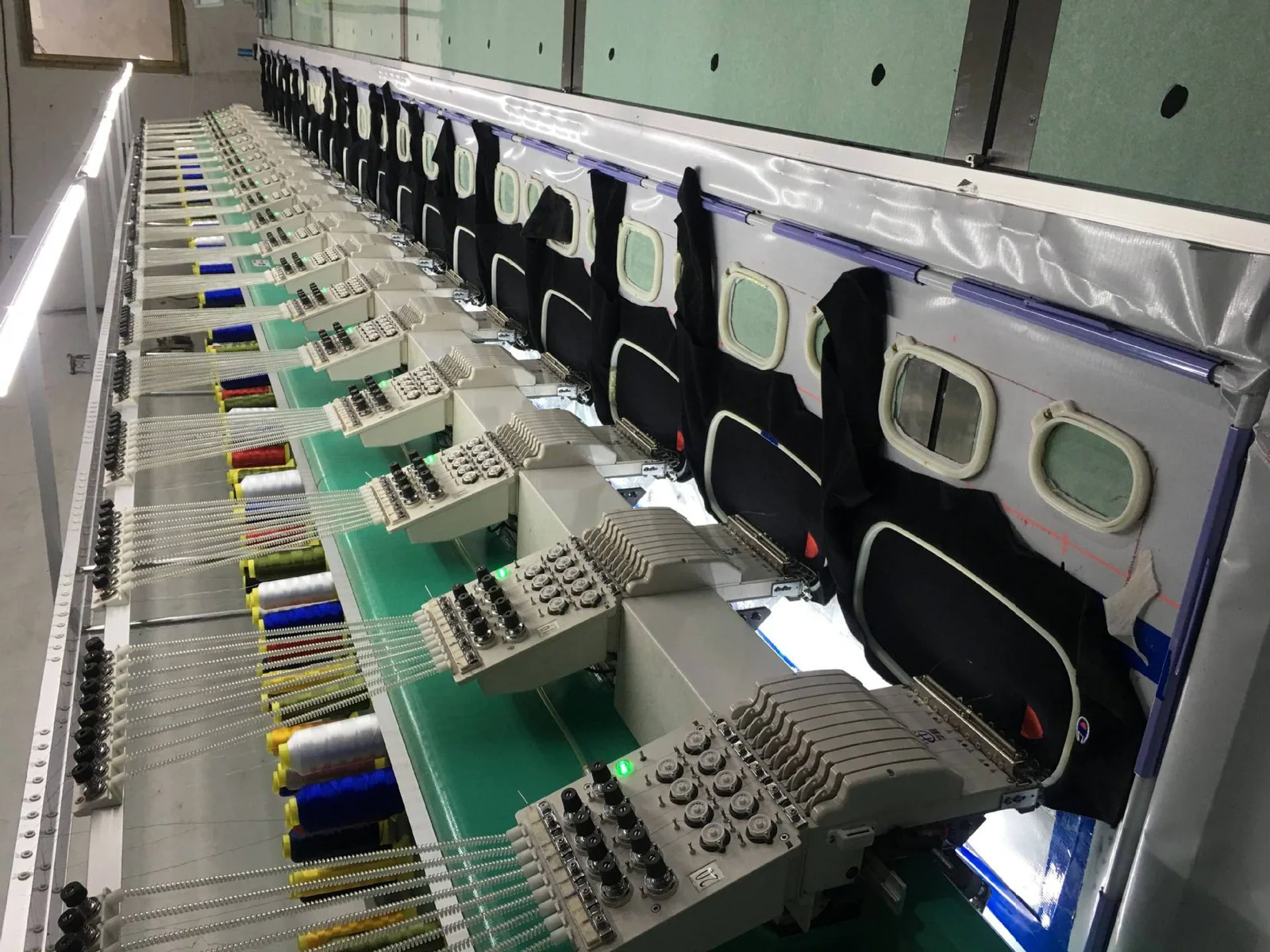
What development covers
Everything upstream of the sewing line
Development runs from 30 pcs per style. Fabric and pattern work is quoted on the brief, not on a price list.
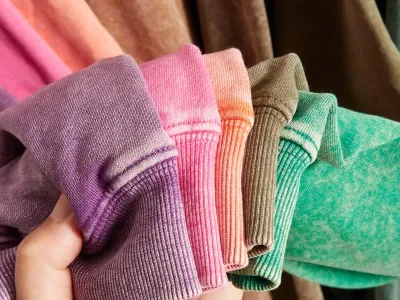
- Fabric development from a reference swatch, including weight and hand-feel targets
- Exclusive pattern work, including a 1:1 pattern from your own reference garment
- Garment washing and finishing: acid, stone, bleach, enzyme and vintage treatments
- Panel work — panelling, appliqué, contrast ribbing and tonal stitching
- Your tech pack, or ours if you have not written one yet
- Repeatable specifications so a reorder three seasons later is the same garment
Weights currently in production
Tees 230 / 240 / 260 / 275 GSM · Hoodies and sweats 350 / 430 / 450 GSM. Development outside these ranges is possible and quoted on the brief.
Development process
Six stages from brief to bulk
Each stage ends with something you approve in writing. The PP sample becomes the sealed reference that bulk is inspected against.
- 01
Requirement review
We review your reference garment, tech pack or mood board and confirm the fit block, fabric direction and decoration plan in writing.
- 02
Fabric and pattern proposal
Fabric options with weight and hand-feel notes, plus a pattern draft. You approve the direction before anything is cut.
- 03
Gold sample
The first full construction sample, made in the proposed fabric. This is where fit, proportion and finishing are settled.
- 04
Salesman sample
The refined sample with your branding applied — labels, hang tags and decoration in place — for your own sales and pre-order activity.
- 05
PP sample
The pre-production sample made on the actual production line with the actual fabric lot. It becomes the sealed reference for bulk.
- 06
Bulk production
Cutting, sewing, decoration, labelling and packing, followed by inspection against the sealed PP sample before shipment.
Schedule
Development sits ahead of the 15-day production window
Sampling rounds take time, and rushing them is how a bulk run goes wrong. Development is scheduled separately, then bulk runs on the standard timeline.
| Stage | What it settles |
|---|---|
| 01 Requirement review | We review your reference garment, tech pack or mood board and confirm the fit block, fabric direction and decoration plan in writing. |
| 02 Fabric and pattern proposal | Fabric options with weight and hand-feel notes, plus a pattern draft. You approve the direction before anything is cut. |
| 03 Gold sample | The first full construction sample, made in the proposed fabric. This is where fit, proportion and finishing are settled. |
| 04 Salesman sample | The refined sample with your branding applied — labels, hang tags and decoration in place — for your own sales and pre-order activity. |
| 05 PP sample | The pre-production sample made on the actual production line with the actual fabric lot. It becomes the sealed reference for bulk. |
| 06 Bulk production | Cutting, sewing, decoration, labelling and packing, followed by inspection against the sealed PP sample before shipment. |
- 1 Bulk production runs to the standard 15-day lead time once the PP sample is sealed.
- 2 Garment-wash and speciality finishes sit outside the standard timeline and are quoted with a revised date.
Send the brief and we will scope the development
A reference garment, a swatch, a sketch or a written spec is enough to start. Tell us the market and the target retail price and we will work backwards from there.
Or email jacknbhood@gmail.com with your requirement.